12 Brand Identity Essentials Every Small Business Should Nail Before Ordering Designs
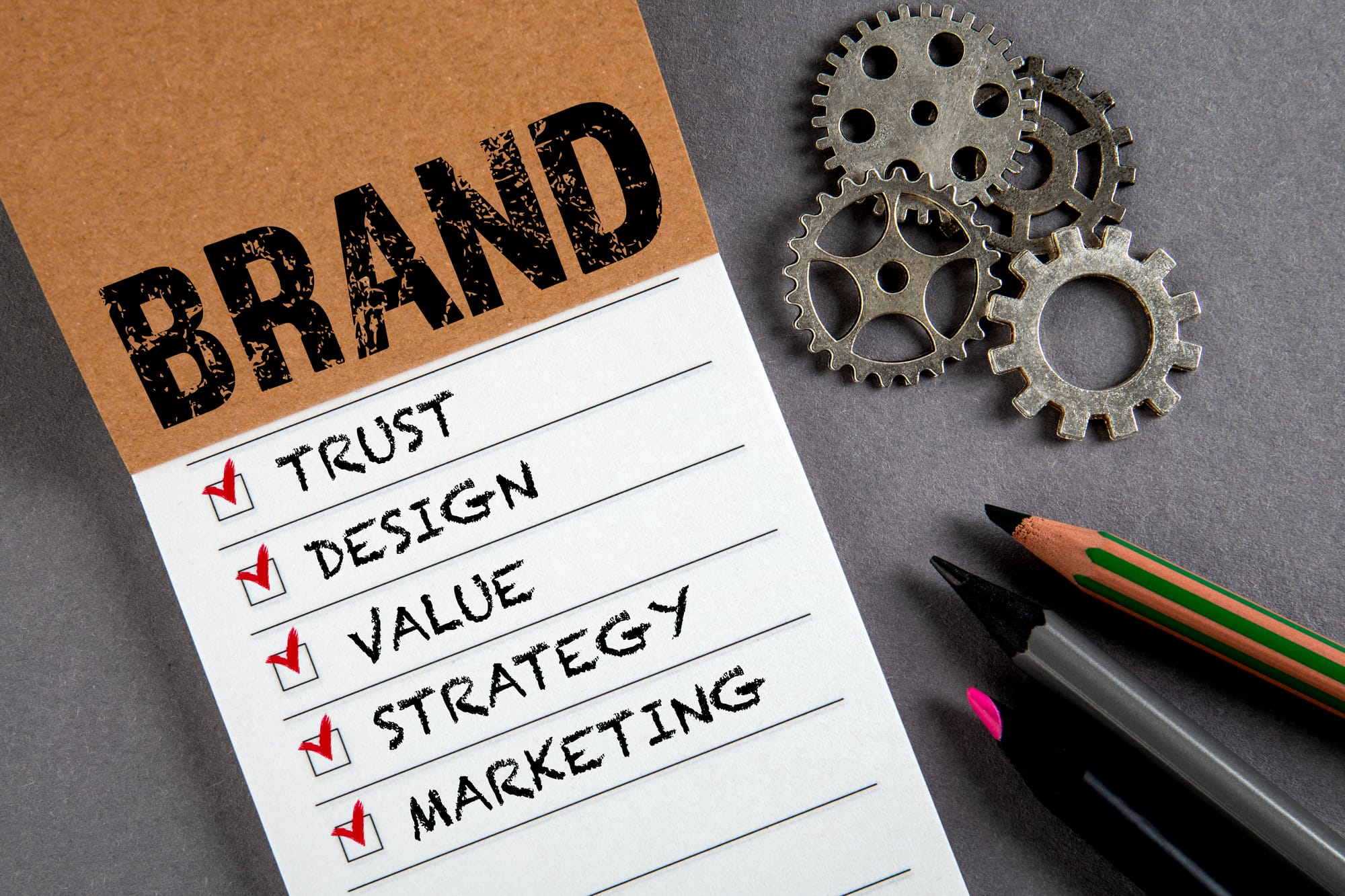
Ordering logos, flyers, social media templates, or packaging can feel like the exciting part of building a brand. But small businesses get the best results when they define the fundamentals first. When you walk into a design project with clarity, you reduce revisions, speed up turnaround, and end up with visuals that actually fit your business goals. At Dave Art Studio, we see the fastest projects happen when the brand identity groundwork is already in place.
Here are 12 brand identity essentials to nail before you place your next design order.
- 1. Your brand purpose in one sentence
Write a simple statement that explains why your business exists beyond making money. Keep it practical and specific. This becomes a filter for design decisions, so every visual choice supports the same core idea.
- 2. Your target audience, clearly defined
Describe who you serve using real details, not vague labels. Include age range, location, buying motivations, and what problems they want solved. Designs look better when they are aimed at someone specific, not everyone.
- 3. Your positioning and differentiation
List your closest competitors and define what makes you different. Is it speed, quality, price, personalization, or expertise in a niche? Strong positioning prevents generic designs and helps a designer emphasize the right message visually.
- 4. Your brand personality traits
Pick 3 to 5 traits, like bold, friendly, premium, playful, minimalist, or traditional. Then note what you are not, for example, premium but not cold, playful but not childish. Personality influences typography, color, spacing, and imagery style.
- 5. Your brand voice and tone guidelines
Decide how your brand speaks in captions, headlines, and customer messages. Define tone rules like “clear and encouraging” or “direct and expert.” Share a few sample sentences that sound like you, so copy and design can align.
- 6. Your primary offer and top selling points
Write down what you sell and the top 3 benefits customers get. Include proof points if you have them, like years of experience, fast delivery times, guarantees, or materials used. Designers can prioritize these benefits in layouts and hierarchies.
- 7. Your core message and call to action
Every design needs a job. Decide what you want people to do, such as book a call, visit a website, buy now, or follow your page. Provide one main message and one clear call to action, so the design has focus and conversion power.
- 8. Your logo requirements and use cases
If you already have a logo, gather the best available files and note where it must work, like storefront signage, profile icons, invoices, or packaging. If you need a new logo, define the must haves, like icon or wordmark, and any symbols to avoid.
- 9. Your color direction and practical constraints
Choose a general color direction, like warm and energetic or cool and calm. Also note real world constraints, like printing in one color, embroidery limitations, or readability on dark backgrounds. This prevents beautiful designs that fail in production.
- 10. Your typography preferences
Decide whether you lean modern, classic, elegant, sporty, or handwritten. If you already use fonts, list them. If not, share examples of typography you like and dislike. Typography is a major part of recognition and should stay consistent across assets.
- 11. Your imagery and graphic style rules
Define what kind of visuals represent your brand, such as product photos, lifestyle photos, illustrations, icons, patterns, or minimal shapes. Note preferred backgrounds, lighting, filters, and whether you want clean studio visuals or real life scenes. Consistent imagery builds trust fast.
- 12. Your asset checklist and file format needs
Before ordering, list exactly what you need, such as logo set, business card, social media kit, banner, flyer, menu, or packaging label. Specify sizes and platforms, like Instagram post and story, A4 print, or web hero. Request the right deliverables, such as PNG, JPG, PDF, and editable source files, so you can reuse designs without starting over.
When you bring these 12 essentials to your designer, you are not just buying graphics. You are building a consistent brand identity system that saves time and makes your business look established. If you want rapid turnaround without sacrificing professional quality, prepare this checklist first, then let Dave Art Studio turn your clarity into designs that are sharp, consistent, and ready to perform.